Composting at home is a rewarding practice that turns everyday kitchen scraps and yard waste into nutrient-rich soil for your garden. Not only does it help reduce household waste, but it also supports healthy plant growth. If you’re new to composting, don’t worry—it’s easier than you might think. This guide will walk you through some beginner tips to start composting at home with confidence.
What Is Composting?
Composting is the natural process of recycling organic material, such as food scraps and yard waste, into a dark, crumbly substance called compost. This compost improves soil structure, provides essential nutrients, and promotes healthy plant roots.
Why Compost at Home?
– Reduces landfill waste: Composting cuts down on the amount of trash sent to landfills.
– Enriches soil: Compost adds nutrients that improve soil quality and water retention.
– Saves money: Healthy soil means fewer fertilizers and pesticides.
– Supports sustainability: Composting lowers your environmental footprint.
Choosing a Composting Method
Before you start, decide on the composting method that suits your space and lifestyle:
Outdoor Compost Bin
Ideal for those with a backyard or garden space. Outdoor bins help contain the compost and speed up decomposition.
Compost Tumbler
A sealed container mounted on a frame that can be rotated to mix materials easily. Good for faster composting and less odor.
Indoor Composting
For apartment or small-space living, consider an indoor compost bin or worm bin (vermicomposting). These units are compact and odor-controlled.
Beginner Tips for Successful Composting
1. Know What to Compost
Compostable materials are divided into “greens” and “browns”:
– Greens: Nitrogen-rich items like fruit and vegetable scraps, coffee grounds, grass clippings, and fresh plant trimmings.
– Browns: Carbon-rich materials such as dry leaves, paper towels (no print), cardboard, straw, and small branches.
Avoid composting meat, dairy, oily foods, or pet waste, as these can attract pests and cause odors.
2. Maintain the Right Balance
A good compost pile has a roughly 2:1 ratio of browns to greens. This balance helps microorganisms break down materials efficiently and avoids unpleasant smells.
3. Chop or Shred Materials
Smaller pieces decompose faster than large chunks. Cut fruit peels, vegetable scraps, and leaves into smaller sizes before adding them to your pile.
4. Keep It Moist
Your compost should feel like a wrung-out sponge—moist but not soaking wet. Too dry, and decomposition slows; too wet, and it becomes smelly.
5. Turn or Mix Regularly
Aeration provides oxygen for the microbes that break down organic matter. Turn your compost pile or mix material every 1-2 weeks to speed up the process.
Troubleshooting Common Composting Problems
Compost Smells Bad
– Likely caused by too many greens or moisture.
– Solution: Add more browns and turn the pile to introduce air.
Compost Attracts Pests
– Avoid adding meat, dairy, or oily foods.
– Keep the pile covered, and turn it regularly.
Compost Is Too Dry
– Sprinkle water and mix to evenly moisten materials.
Compost Is Too Wet and Slimy
– Add dry browns and turn the pile to increase airflow.
How to Use Your Finished Compost
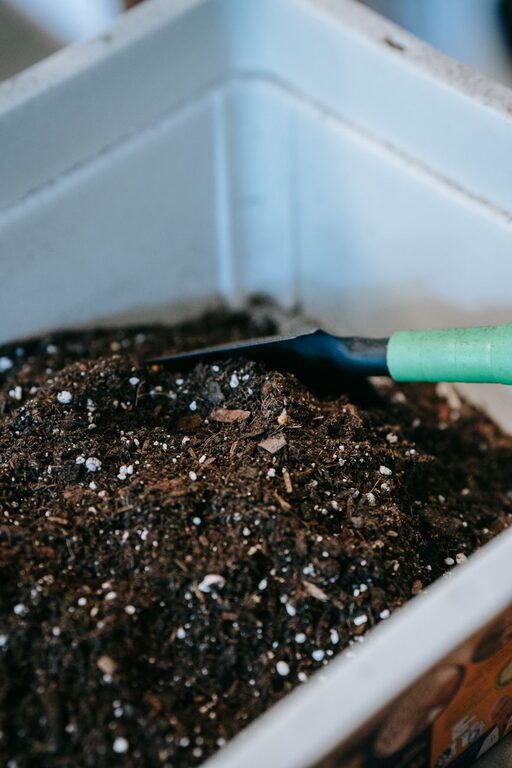
Finished compost looks dark, crumbly, and earthy. It’s ready to use when you don’t recognize any original scraps.
– Mix it into garden beds to improve soil.
– Use as mulch around plants to retain moisture.
– Add to potting mix for container plants.
Final Advice for Beginners
– Start small—begin with a manageable compost bin or pile.
– Be patient—composting can take a few months but the benefits last.
– Learn as you go—each compost pile is unique, so experiment with materials and techniques.
By following these beginner tips, you’ll be well on your way to turning kitchen scraps into garden gold. Happy composting!