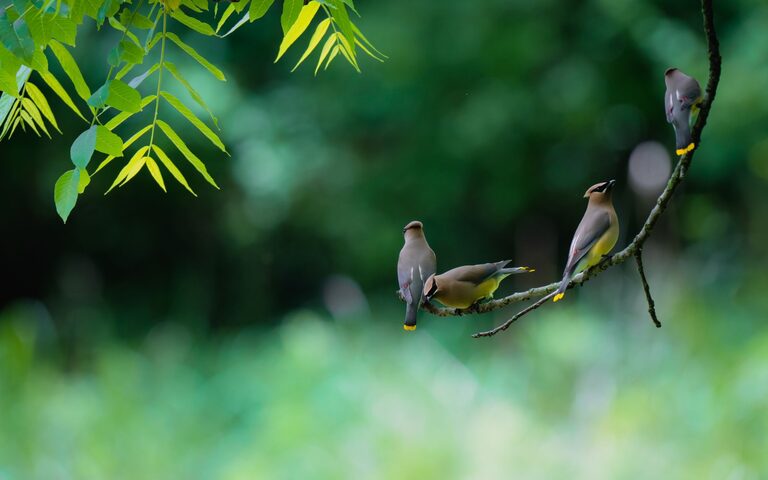
Birdwatching is a rewarding hobby that allows you to connect with nature, relax, and learn about the fascinating world of birds. Starting backyard birdwatching is one of the easiest ways to enjoy this activity, as you don’t need to travel far or invest heavily in equipment. Whether you have a small balcony, garden, or yard, you can create a welcoming environment for birds and begin observing their behavior. This guide offers beginner tips to help you get started with backyard birdwatching.
Why Backyard Birdwatching?
Birdwatching in your own backyard is convenient and accessible. It invites you to slow down, appreciate wildlife, and gain knowledge about local bird species. Plus, it’s an environmentally friendly hobby that encourages you to preserve natural spaces. Backyard birdwatching is suitable for all ages and can be a great family activity.
Essential Tips for Beginners
1. Start with the Basics: Know Your Birds
Before attracting birds, spend some time learning about the common species in your area. You can use bird identification books or apps to familiarize yourself with different bird shapes, colors, calls, and habits. This knowledge will make your birdwatching experience more enjoyable and help you identify visitors to your yard.
2. Choose the Right Bird Feeders and Food
Bird feeders are great tools to attract birds. Here are some tips for choosing and using feeders effectively:
– Types of feeders: Tube feeders are excellent for small songbirds like finches and chickadees. Platform feeders attract a wider variety, including larger birds. Suet feeders provide energy-rich food for woodpeckers and nuthatches.
– Select appropriate food: Black oil sunflower seeds are a popular choice because they appeal to many bird species and are easy to eat. Nyjer seeds attract finches. Suet cakes are good in colder months for high-energy feeding.
– Keep feeders clean: Regularly clean your feeders with warm soapy water to prevent mold and disease transmission.
3. Provide Fresh Water
Birds need fresh water for drinking and bathing. Adding a birdbath or a shallow water source will encourage more birds to visit. Keep the water clean and change it regularly, especially during hot weather or freezing temperatures.
4. Create Natural Shelter
Birds need places to rest and hide from predators. Planting native shrubs, trees, and flowers provides shelter and natural food sources like berries and insects. Avoid using pesticides, which can harm birds and reduce their food supply.
5. Be Patient and Observant
Birdwatching requires patience. Birds may take time to find your feeders or explore your yard. Set up a comfortable spot where you can observe quietly, such as near a window or in a garden chair. Use binoculars to get closer views without disturbing the birds.
6. Keep a Birdwatching Journal
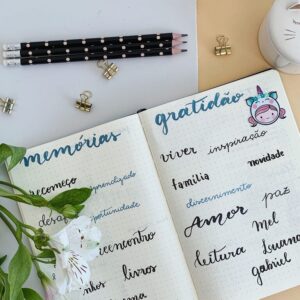
Keeping a journal helps you track the bird species you see, note changes throughout the seasons, and record interesting behaviors. This can be a fun way to improve your identification skills and stay engaged.
Additional Tips for a Better Experience
Use Bird Calls and Guides
Listening to bird calls can help you identify species by sound. Some apps and websites offer recordings of bird songs that you can learn to recognize.
Avoid Sudden Movements
Birds are easily startled. Move slowly and avoid loud noises when watching them. This will encourage regular visits and allow you to observe birds more closely.
Offer Nesting Materials
Providing natural materials like small twigs, grass clippings, or feathers can encourage birds to nest nearby. Avoid synthetic or sharp items that could be harmful.
Consider Seasonal Changes
Bird species vary throughout the year. In the spring and summer, you may see nesting birds and fledglings. In the fall and winter, migratory birds might stop by seeking food and shelter.
Common Backyard Birds You Might See
Depending on your region, you could attract a range of birds such as:
– Chickadees
– Cardinals
– Blue Jays
– Sparrows
– Finches
– Woodpeckers
– Robins
– Wrens
Each species has unique habits and feeding preferences, so learning about them can enrich your experience.
Getting the Most from Your Backyard Birdwatching
Starting backyard birdwatching is about creating a welcoming habitat and taking time to observe. With consistent effort, you’ll notice more bird visitors and develop a deeper appreciation of nature. Remember to respect wildlife by not disturbing nests or handling birds.
By following these beginner tips, you can transform your outdoor space into a lively bird habitat and enjoy countless hours of peaceful birdwatching. Happy birding!